Description
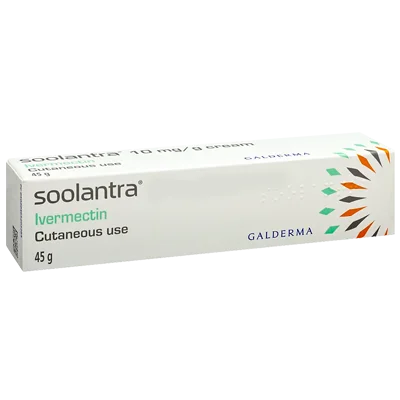
Soolantra is a topical ivermectin cream for adult facial rosacea. Ivermectin belongs to the avermectin class and has antiparasitic and anti-inflammatory activity. The product is supplied as a cream in a 45 g tube.
Composition
Soolantra is a topical ivermectin cream for adult facial rosacea. Ivermectin belongs to the avermectin class and has antiparasitic and anti-inflammatory activity. The product is supplied as a cream in a 45 g tube.
Papulopustular rosacea produces red or inflamed bumps, pustules, flushing, and persistent facial redness. Soolantra is used for the inflammatory lesions rather than as a general moisturiser or cosmetic cream. Its action may involve reducing Demodex mite activity on the skin and lowering inflammatory signalling within rosacea-prone areas [1].
The cream is intended for cutaneous use. It should stay away from the eyes, lips, and inside of the nose.
Apply Soolantra to clean, dry skin rather than immediately after washing while the face is still damp. This reduces spreading into the eyes and makes the amount applied easier to control.
Dosage and usage
Use Soolantra on the affected facial areas once daily, following the individual treatment plan prescribed for you. The amount per application is set individually rather than being one fixed amount for every person.
- Wash the face with a gentle cleanser and pat the skin dry.
- Apply a thin, even layer to the rosacea-affected facial areas.
- Avoid the eyelids, eyes, lips, nostrils, and broken skin.
- Wash your hands after applying the cream.
- Allow the cream to absorb before applying other facial products.
- Continue treatment consistently for the duration selected for your rosacea.
The cream is for external use only. Do not apply it to the scalp, chest, or other body sites unless those areas have been specifically included in the treatment plan.
If a daily application is missed, apply the next scheduled amount when remembered. Do not apply extra cream to compensate for the missed application. Applying more than directed may increase irritation without producing faster improvement.
Keep a simple application routine, such as using Soolantra after your evening cleanse. Changing the application time from day to day makes it harder to judge irritation and treatment response.
Rosacea often improves gradually. In clinical trials, inflammatory lesion counts were assessed over several weeks, so early mild redness or stinging does not automatically mean that treatment has failed. A persistent worsening pattern, marked swelling, or a blistering rash requires prompt medical review.
How it works
Ivermectin acts on ligand-gated chloride channels in invertebrate nerve and muscle cells. This can immobilise and eliminate susceptible Demodex mites. The medicine also appears to reduce inflammatory processes that contribute to rosacea papules and pustules.
Demodex mites are microscopic organisms found in facial hair follicles. They can be present without symptoms, yet increased mite density and mite-related inflammation may contribute to rosacea in some adults. Soolantra addresses this possible component while also calming inflammatory lesions.
The treatment differs from topical antibiotics. Metronidazole is mainly used for its anti-inflammatory effect, whereas ivermectin combines anti-inflammatory activity with activity against Demodex mites. The choice depends on the lesion pattern, previous treatments, skin sensitivity, and the clinician’s assessment.
Indications
Papulopustular rosacea produces red or inflamed bumps, pustules, flushing, and persistent facial redness. Soolantra is used for the inflammatory lesions rather than as a general moisturiser or cosmetic cream.
Comparison
The following comparison uses treatment categories and active substances rather than commercial brands.
Soolantra may suit adults whose rosacea includes papules and pustules, especially when Demodex-related inflammation is considered relevant. Metronidazole may be selected when a person has previously responded to it or needs a different topical anti-inflammatory approach. Azelaic acid can be useful when inflammatory lesions occur alongside uneven skin texture, yet stinging can be troublesome for some people.
These treatments are not interchangeable by volume or application schedule. A person should not layer several irritating products over the same area without a clear plan, because combined irritation can resemble worsening rosacea.
Contraindications
Soolantra is not suitable for you if you have previously experienced a serious allergic reaction to ivermectin or any ingredient in the cream. A history of severe medicine-related facial swelling or breathing difficulty requires special caution.
Use requires specific medical consideration in the following situations:
- Pregnancy, planned pregnancy, or possible pregnancy.
- Breastfeeding.
- Known allergy to topical medicines or cosmetic ingredients.
- Broken, infected, or severely inflamed facial skin.
- Significant eye symptoms, including eye pain or vision changes.
- Use of several topical treatments that cause dryness, peeling, or burning.
- Rosacea affecting areas beyond those intended for facial application.
Systemic absorption from topical ivermectin is expected to be low when it is used as directed, but pregnancy and breastfeeding decisions still require an individual risk assessment. Soolantra should not be applied to the breasts before breastfeeding because an infant could ingest the cream through skin contact.
No major routine interaction is expected from topical ivermectin when it is applied correctly. The practical interaction concern is additive skin irritation from retinoids, benzoyl peroxide, exfoliating acids, strong cleansers, or other topical medicines. Medsafe medicine information describes the product’s local precautions and use in adults [2].
Keep Soolantra away from the lip line and eyelids. These areas are thinner and react more easily, while accidental transfer to the eyes can produce significant irritation.
When this is not for you
This treatment may not be right for you if you have ever had a serious allergy to ivermectin or another ingredient in the cream. Speak with a clinician before use if you are pregnant, breastfeeding, have damaged or infected facial skin, significant eye symptoms, or use several products that cause burning or peeling. Do not put it on the breasts before breastfeeding, and do not use it on areas beyond the face unless a clinician has included them in your plan.
Side effects
The most common reactions are local skin effects. These may include burning, stinging, itching, dryness, irritation, redness, or worsening of rosacea symptoms during the early treatment period. The FDA prescribing information describes these reactions as generally local and usually manageable, though treatment may need reassessment when symptoms are intense [1].
Soolantra can also cause eye irritation if it spreads from the face into the eyes. Accidental eye exposure should be managed by rinsing the eyes thoroughly with clean water. Persistent eye pain, marked light sensitivity, blurred vision, or swelling needs urgent medical attention because rosacea itself can involve the eyes.
Practical ways to reduce irritation include:
- Use a fragrance-free cleanser.
- Avoid scrubs, exfoliating acids, and alcohol-heavy toners during the adjustment period.
- Do not apply the cream over cuts, sunburn, or actively peeling skin.
- Use a bland moisturiser if dryness develops.
- Apply sunscreen during daylight because heat and ultraviolet exposure can aggravate rosacea.
A pea-sized amount is often more than enough for a small facial area, but the correct amount for your affected skin is individual. Spreading a very thick layer does not make ivermectin work faster.
One detail patients often miss is that a new burning sensation may come from a cleanser, exfoliant, aftershave, or cosmetic product introduced at the same time as Soolantra. Keeping the rest of the routine simple makes the cause easier to identify.
Another useful distinction is between mild initial irritation and an allergic reaction. Facial swelling, hives, widespread rash, wheezing, or difficulty breathing requires immediate medical care and stopping further exposure until evaluated.
Common mistakes
Several habits can reduce tolerability or make the treatment appear less useful:
- Applying a thick layer in the belief that more cream will work faster.
- Putting the cream on wet skin, which can encourage migration into the eyes.
- Applying it directly to eyelids, lips, nostrils, or broken skin.
- Adding multiple new exfoliants at the same time.
- Stopping after a few days because the facial redness has not changed.
- Using Soolantra only during visible flares rather than following the prescribed schedule.
- Scrubbing the face to remove flakes or redness.
- Forgetting that heat, sunlight, alcohol, and spicy meals can trigger flushing independently of treatment.
- Sharing the tube with another person.
- Applying the cream immediately before heavy sweating or swimming.
A common practical error is changing cleanser, moisturiser, sunscreen, and treatment during the same week. If irritation appears, the person cannot tell which product caused it. One stable, gentle skincare routine gives a clearer picture.
Do not use leftover topical antibiotics, steroid creams, or acne treatments on the same facial areas without medical direction. Some may worsen rosacea, thin the skin, or increase irritation.
What doctors say
In clinical practice, doctors usually set expectations around lesion control rather than instant removal of redness. Ivermectin cream is aimed at inflammatory bumps and pustules, while persistent flushing and visible facial blood vessels may require a different treatment approach.
A dermatologist will often ask about triggers such as heat, alcohol, spicy food, emotional stress, hot drinks, and irritating skincare products. These factors can continue to provoke flushing even when inflammatory lesions are responding to Soolantra.
Consistency matters because irregular application makes it difficult to judge whether the medicine is working. Doctors also look for signs that a supposed rosacea flare is actually contact dermatitis, acne, perioral dermatitis, seborrhoeic dermatitis, or an eye-related rosacea complication.
Patients should report severe swelling, crusting, blistering, eye pain, visual symptoms, or a rapidly spreading rash. These findings do not fit the usual mild adjustment reaction and need clinical assessment.